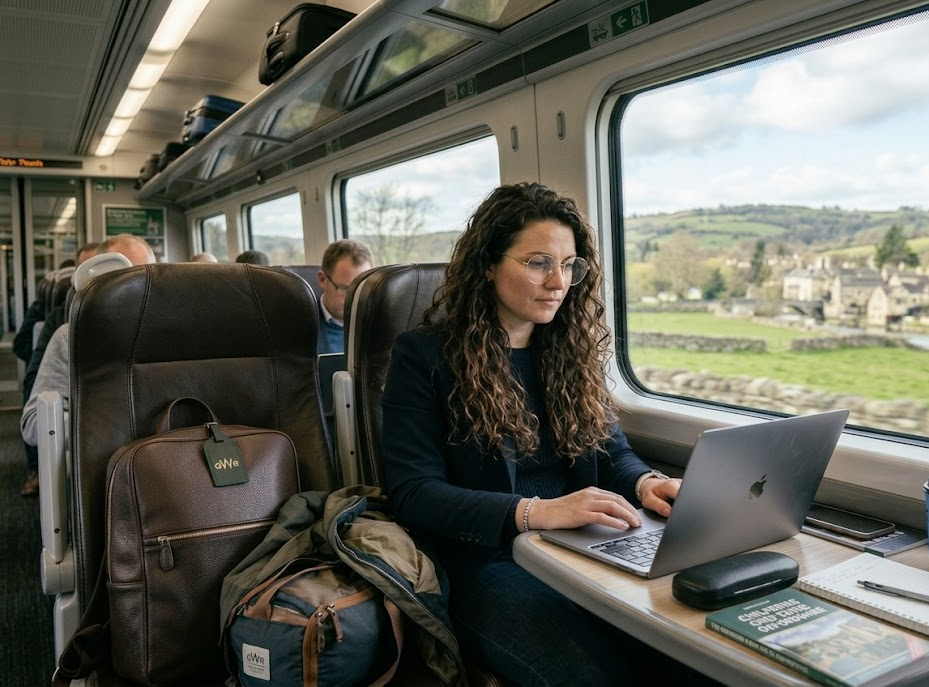
The 7 PM Friday evening flight home has changed. It used to mean a quick sandwich and rushing to the gate. Now, it might involve a Saturday morning visit to Borough Market before flying back on Sunday. This new trend, called bleisure travel, combines business and leisure in one trip.
Recent data shows this change. According to The Business Travel Magazine, 74% of UK business travellers consider they would use their personal time on work trips if their employers urged them to do so, as employers are starting to implement clearer policies and greater support.
This shift is important because it impacts how productive workers are, their well-being, and how companies attract new workers. It also affects how cities like London succeed as global centers.
At Worklife Expo, we empower professionals and organisations to navigate the evolving landscape of modern work through actionable insights and smart cultural strategies. In this article, we explain what is driving bleisure travel and what it looks like in real life.
Why Bleisure Travel Is Growing Fast
The UK bleisure market is expected to grow by 13.4% annually. It will rise to $235.6 billion by 2030. This rapid growth shows that this change is a long-term trend, not just a temporary one.
Bleisure trips add leisure to a business trip at the start or end. A consultant flying to Manchester for a Tuesday workshop might stay through Saturday for the Peak District. A London delegate might add two nights for the West End.
Consultants, tech workers, and conference attendees lead the pack. Their work travels inside a laptop, so a spreadsheet review fits a hotel desk by the Thames.
Signs it is standard practice include:
- Longer stays in UK business cities
- Demand for work friendly rooms
- Policies that permit personal extensions
Traveller Behaviour Has Quietly Shifted
Professionals no longer treat business trips as endurance events. The 6 AM taxi and same day flight home are losing favour. Travellers add a Friday evening for dinner with a colleague, or a Sunday morning for a gallery.
The reasons are simple. Taking time to recover reduces fatigue after a journey, and exploring the local culture boosts the professional’s mood. Having some leisure time makes the trip feel less like a transaction.
This shift in behaviour spans across age groups; senior leaders extend trips too, noting better sleep and clearer thinking on Monday.
Workplace Changes That Made It Possible
Several shifts in the professional world have made this lifestyle possible:
- Hybrid Work Opened the Door
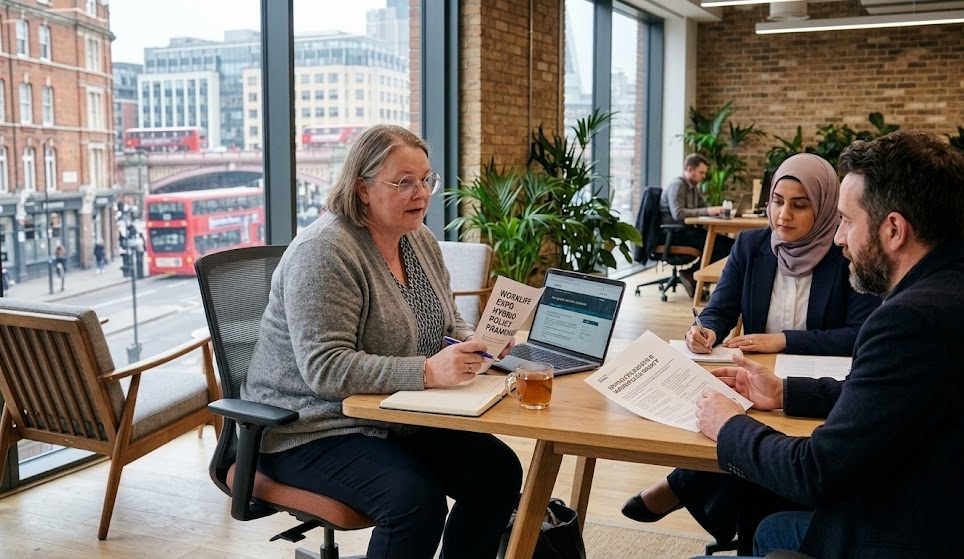
Hybrid work changed everything. If you can work from your kitchen table on a Tuesday afternoon, you can also work from a hotel lobby in Edinburgh or a cafe in Bristol.
- Flexible Schedules Followed Soon After
Many employers in the UK now focus on output instead of office hours. This shift helps reduce the pressure to leave meetings quickly. Supported by cloud tools, video calls, and shared documents, projects can continue moving forward no matter where people are located.
- Location Has Become Flexible
The result is a workforce that views location as flexible. A 2-day client visit can turn into a 3-day trip by adding one day of personal time. The team continues to make progress on the larger project without losing momentum.
Travel and Accommodation Decisions Have Changed
Central locations beat outer zones because reduced commute time creates space for evening plans. Walkable areas, transport links, and proximity to meetings rank high.
Hotel choice has shifted too. Travellers want desks, reliable wifi, quiet rooms for calls, and breakfast that starts before a 9am meeting.
A successful bleisure trip depends on location and downtime balance. A central base reduces travel time between meetings and frees space for evening or weekend plans.
Mentone Hotel provides a practical option for professionals who want simple access to London business areas alongside cultural districts, supporting both work commitments and post-work exploration without long commutes.
London Sits at the Centre of the Trend
Few cities support bleisure travel as smoothly as London. The City and Canary Wharf handle the meetings. The South Bank, Soho, Shoreditch, and Kensington handle the rest. Travellers move between them on the Tube within minutes.
A sample three-day bleisure trip in London might look like this:
- Monday (Workday): Attend client meetings close to Liverpool Street, followed by a late dinner in Spitalfields.
- Tuesday (Workday): Go to a conference at the QEII Centre and take a walk by the river in the evening.
- Wednesday (Leisure Day): Visit the Tate Modern in the morning, have lunch at Borough Market, and see a matinee in the West End before heading home.
Conclusion
Bleisure travel is now how UK professionals combine work and leisure. This approach helps employers, employees, and cities adjust to this change.
To enjoy these benefits, take some time for yourself before you book your next business trip. Contact us at Worklife Expo for more insights on smarter, healthier ways to travel and work.